Empowering Cancer Awareness: Navigating Tumor Treatments and Survivorship Support
Cancer has a unique way of intertwining itself into the fabric of our lives, either personally or through our loved ones. The journey of understanding and confronting a tumor diagnosis can feel like navigating a maze. Each twist and turn presents new challenges, information, and emotions. Yet, it’s not just about surviving cancer; it’s about learning what treatments are out there and how they can help in the fight against malignancies. Understanding the landscape of tumor treatments—from chemotherapy to immunotherapy—is a vital step in reclaiming one’s health and embarking on a path toward wellness. How do we increase our cancer awareness and empower ourselves with knowledge?
Imagine facing the word 'cancer' while surrounded by mountains of medical jargon that can seem as daunting as the illness itself. Terms like neoplasm, chemotherapy, and immunotherapy can create a cloud of confusion. However, armed with the right information, patients can make informed decisions about their care. With conventional treatments, such as chemotherapy and radiation therapy, you might hear words that represent powerful but often intimidating interventions. How do these treatments work, and what can patients expect during their cancer journey? The answers lie in understanding the oncology discipline and the drastic progress it has made over decades. Techniques that once seemed primitive have now paved the way for impressive medical breakthroughs, making some malignancies more manageable than ever before.
Chemotherapy, while effective, often comes with side effects that can disrupt one’s quality of life. Radiation therapy can target specific tumors but also requires careful management of aftermath. On the other hand, immunotherapy presents a fascinating shift in our approach to cancer treatment. By enhancing the body’s own immune response against tumor cells, it embodies the future of cancer treatments. As we delve deeper into the nuances of these options, one must ask: How do we balance the potential for recovery with the quality of life? Navigating this path requires not just medical resources but psychosocial support from the cancer community, underscoring the importance of patient support groups where experiences can be shared and understood.
Furthermore, individuals facing a cancer diagnosis today have more resources at their disposal than ever before. With cancer education resources available online—from organizations advocating for cancer prevention to innovative healthcare resources—knowledge is power in this battle. Patients and their families can engage in screening and preventive care, armed with facts that empower them to be their own advocates. How can we harness this wealth of information to foster an environment of support and understanding? The key lies in sharing experiences, whether through personal anecdotes or participating in clinical trials, which can not only advance cancer research but also provide patients with options they never thought possible.
For those who transition to the world of cancer survivorship, patient support remains crucial. The journey does not end with treatment; it includes navigating a new way of life, which can be overwhelming. Exercise, nutrition for cancer patients, and wellness checks become the new norm. Overall, staying proactive in maintaining health during survivorship can make all the difference. Encouraging advocacy, participation in support groups, and utilizing healthcare resources can transform the cancer journey into a narrative of triumph over adversity. Remember, you are not alone on this journey, and empowering oneself with knowledge is a potent weapon against cancer. What is your next step toward understanding and overcoming your diagnosis?
The Journey of Cancer Survivorship: Building a Supportive Community
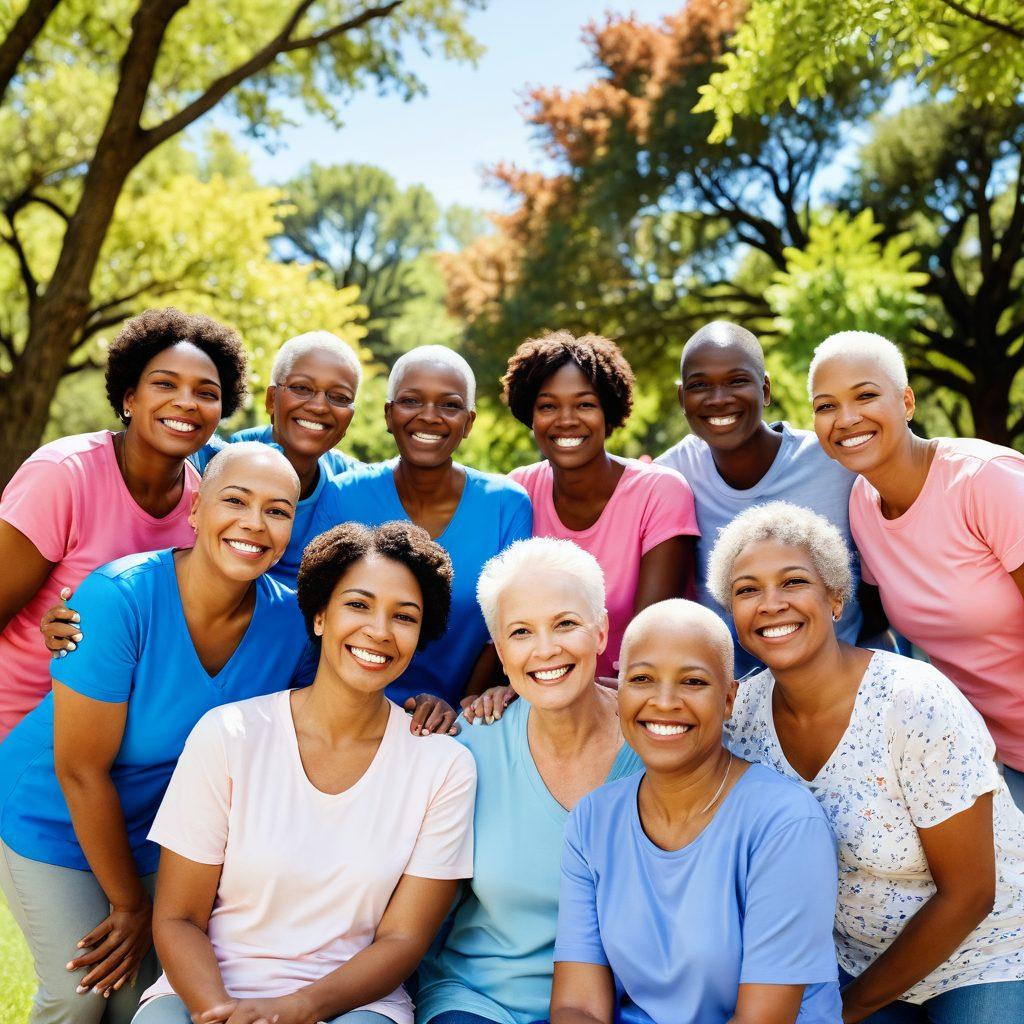
Surviving cancer is not just about medical treatments; it’s about the journey that continues long after the last chemotherapy session ends. Imagine walking a path fraught with obstacles, each one a memory of fear and uncertainty. Yet, at the same time, it’s a walk full of hope, resilience, and the promise of community support. Cancer survivorship is a reality for millions of individuals who have battled malignancy, whether it be a neoplasm of any type or another form of this unforgiving disease. But how do we ensure these survivors are embraced by a supportive community?
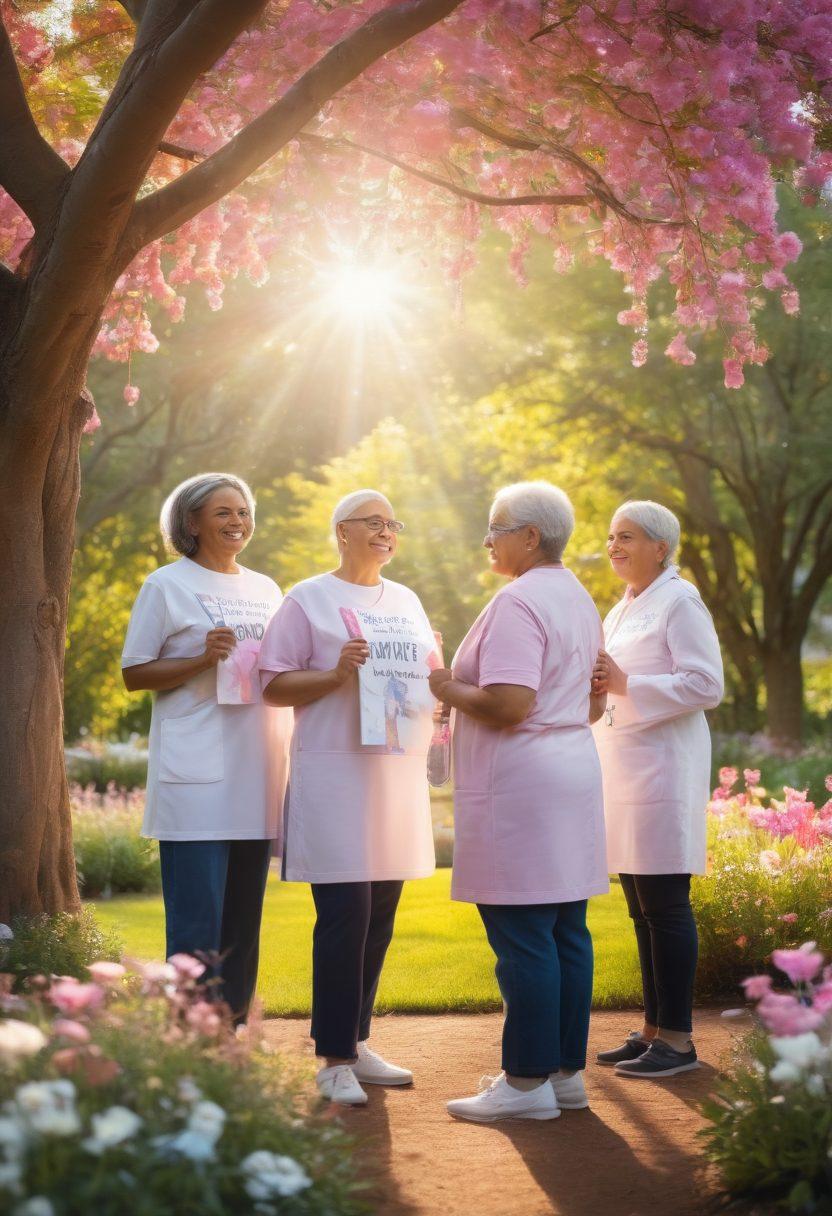
Creating a supportive community for cancer survivors begins with the simple act of listening. Picture a support group where voices converge: the apprehensive whispers of those who have just received a diagnosis and the hopeful tales of long-term survivors sharing their journeys. It's here, in this gentle space, that patients can learn valuable lessons in cancer awareness and education. Whether it's talking about wellness, fitness, disease management, or the emotional toll of living with cancer, each shared story strengthens the fabric of the community and provides an essential fundraising source for advocacy and ongoing cancer research.
One crucial aspect in cultivating this community is the role of healthcare resources. Survivors often feel lost after treatment, lingering questions staining their thoughts about preventive care or the next steps to maintain health. Important discussions about nutrition for cancer patients and strategies for managing the side effects from chemotherapy and radiation therapy should be encouraged openly. Support groups can bring in experts who offer insights on clinical trials and medical breakthroughs, ensuring survivors are informed and empowered in their ongoing journey toward wellness.
But survivorship isn’t just about managing health; it also includes the psychosocial support needed to navigate the emotional aftermath of the diagnosis. Here’s an interesting question: How can we balance our physical fitness and mental health while continuing to advocate for cancer awareness? Survivors can lead programs that emphasize the importance of holistic approaches to remaining healthy, blending physical activity with emotional wellness. This connection can create an uplifting atmosphere, reinforcing the idea that no one should have to face cancer alone—together, the community can thrive!
Ultimately, the path to a supportive network for cancer survivors is paved with compassion and shared experiences. By fostering an environment filled with trust and openness, we enable discussions that lead to vital education on screening, diagnosis, treatment options—and perhaps most importantly—the value of community. The journey of cancer survivorship can be daunting, but with the right support at every turn, it can also be transformative. As we build this vibrant cancer community, we can inspire a new era of understanding, empathy, and strength for every individual touched by cancer.
Essential Resources for Cancer Education and Disease Management
When we hear the word 'cancer', it often conjures images of darkness and despair. But what if I told you that within this realm of malignancy exists a community of hope, knowledge, and support? Welcome to the world of cancer awareness and education, where every ounce of information can help guide patients and their families through the complexities of tumor treatments and survivorship support. Understanding cancer, whether it's a neoplasm, its diagnosis, treatment options like chemotherapy or radiation therapy, or the importance of cancer prevention and screening, empowers us to take charge of our health and wellness journey.
Navigating the path of cancer can be overwhelming – an emotional rollercoaster that no one truly wishes to ride. However, it is possible to transform this experience into a learning opportunity. Recognized advocate and survivor, Mary L. Schmitz stated, "Knowledge is the antidote to anxiety." This begs the question: How equipped are we with the knowledge to combat not only the disease itself but also the fear that surrounds it? Essential resources for cancer education, including webinars, workshops, and online platforms dedicated to patient support, provide invaluable tools for understanding what lies ahead.
Considering the vast array of cancer treatments available today, it's crucial to stay updated on the latest cancer research and medical breakthroughs. From immunotherapy to clinical trials that push the boundaries of traditional oncology, the fight against tumor-related malignancies is evolving. Engaging in proactive cancer education allows patients to explore innovative options tailored to their unique situations. Plus, these resources often include information about dietary changes – because let's be honest, nutrition for cancer patients plays a pivotal role in recovery and overall health.
But knowledge alone isn't enough. The journey through cancer treatments often leads individuals to feel isolated. That's where the cancer community comes into play, offering support groups and psychosocial support systems that foster connection and understanding. After all, who better to share your journey with than those who have walked a similar path? Imagine a place where voices are heard, stories of resilience are told, and optimism flourishes. This sense of fellowship is what can make a significant difference in a patient's experience and contributes to cancer survivorship.
Lastly, advocating for your own health and wellness is more vital than ever. Educating yourself on preventive care and the importance of screenings can dramatically shift outcomes in the battle against cancer. Engaging with healthcare resources, understanding treatment options, and surrounding yourself with supportive individuals creates an environment where cancer awareness thrives. It’s not merely about standing by while treatments unfold but actively participating in your own journey towards wellness. So, let’s take this conversation forward and delve into how we can empower ourselves and each other in navigating cancer together.